
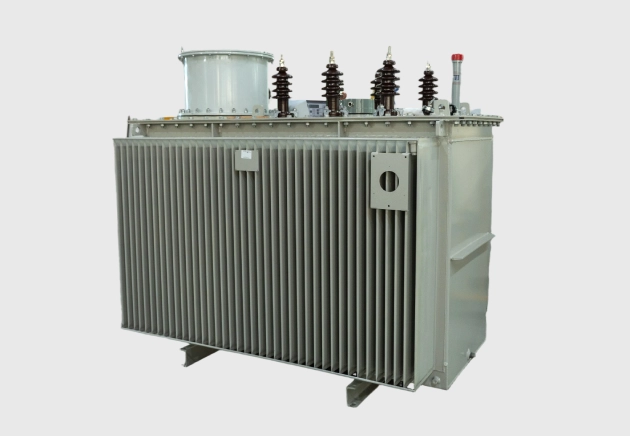
China Step Voltage Regulator Manufacturer
OMEK Power’s step voltage regulator continuously monitor the voltage in distribution systems, and adjust the tap position automatically when the voltage fluctuates. It provides stable voltages for the end users, and equally important, avoids costly grid expansion.
Jinan Omek Electric Power Co., Ltd. (OMEK Power), a leading supplier specializing in manufacturing step voltage regulators, distribution transformers, substations, and accessories.
We help utilities and distribution operators maintain power quality, optimize existing grid assets, and avoid unnecessary infrastructure expansion.
OMEK Power Step Voltage Regulators: The Economical Alternative to Grid Expansion
OMEK Power’s voltage regulators can perfectly address voltage regulation challenges in long-distance distribution networks, including large line voltage drops and excessive voltage fluctuation.
By installing in series on the feeder line, our in line voltage regulators automatically adjust the voltage transformation ratio, and maintain a stable and qualified voltage throughout the entire distribution network.
This provides a more economical alternative to traditional grid upgrades. Our feeder voltage regulators help avoid high investment costs on line replacement, capacity expansion, addition of new transformers, and grid structure renovation. Based on feedback from our clients, applying line voltage regulators in distribution systems can reduce overall renovation costs by more than 60%.
- Complete Voltage Regulation Solutions from OMEK Power
✅ Flexible Voltage Regulation
±10%, ±15% and ±20% adjustable regulation range
✅ Medium Voltage Applications
Available for 2.5kV‑35kV distribution systems
✅ Single & Three Phase Solutions
Designed for utility and industrial distribution networks
✅ Integrated Solution
Transformers, packaged substations, and voltage regulators from one manufacturer
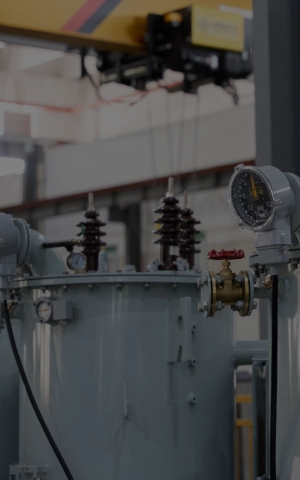
OMEK Power's Single Phase Voltage Regulator
Product Overview
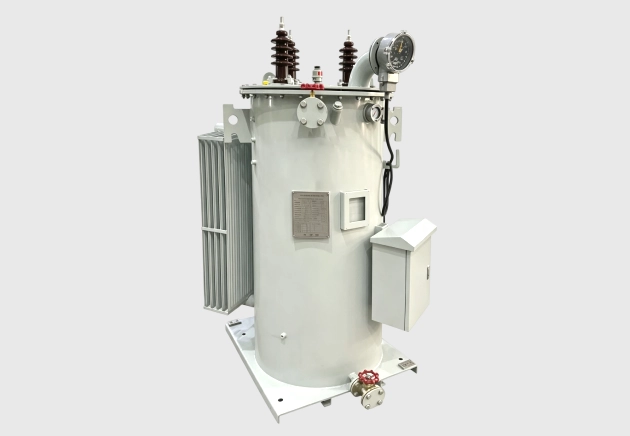
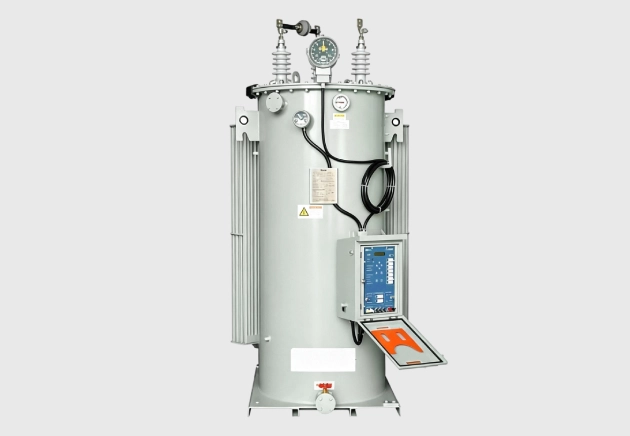
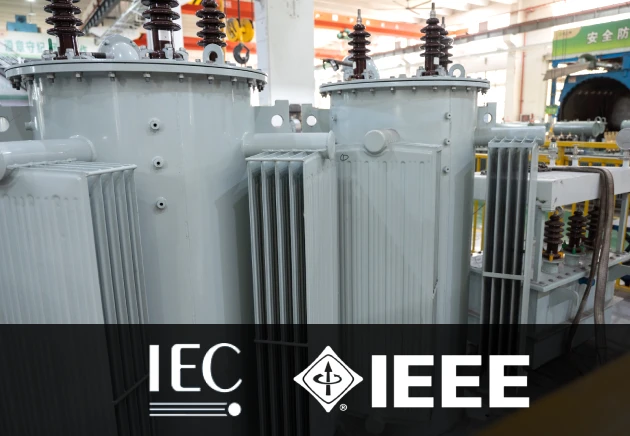
Our single phase step voltage regulators are tap-changing autotransformers, also named as pole mounted voltage regulators.
They regulate distribution line voltages with a voltage adjustment range of +20% to ±25%, with 32 steps, each providing an approximate adjustment of 0.625%.
Voltage ratings are available from 2400 volts (60 kV BlL) to 34,500 volts (200 kV BlL) for both 60 Hz and 50 Hz systems.
Technical Data
| Name | Parameter Value |
|---|---|
| Ambient temperature | -40℉ ~ 185℉ (-40℃ ~ 85℃) |
| Altitude | ≤2000m |
| No. Of phase | Single phase |
| Power source range | 88‑132 VAC |
| Auxiliary output source range | 11~14 V DC |
| Output power | 6 W at 12 V DC |
| Nominal current | 450mA |
| Current range | 45 to 540mA overload range |
| Voltage regulation range | +20% to ±25% |
| Rated steps | 32 step (neutral, 16 step raise, 16 step lower), each providing an approximate adjustment of 5/8% |
| Rated voltage | 2.4 kV to 34.5 kV |
| Rated current | 50A/100A/150A/200A/300A/400A/500A |
| Rated frequency | 50Hz/60Hz |
| Applicable standards | IEEE Std C57.15™/IEC 60076‑21/IEEE C57.12.00‑2015™/IEEE C57.12.90‑2015/ |
| Cooling method | ONAN |
| Material | Carbon steel /Stainless steel (customizable) |
| Voltage regulation method | OLTC |
| Number of operations | 2,000,000 |
| Efficiency | ≥98% (Full load condition, oil immersed) |
| No‑load loss | ≤0.5% Rated capacity |
| BIL | 60kV ~ 200kV BIL (customizable) |
| Type of mounting | Platform/pole mounted |
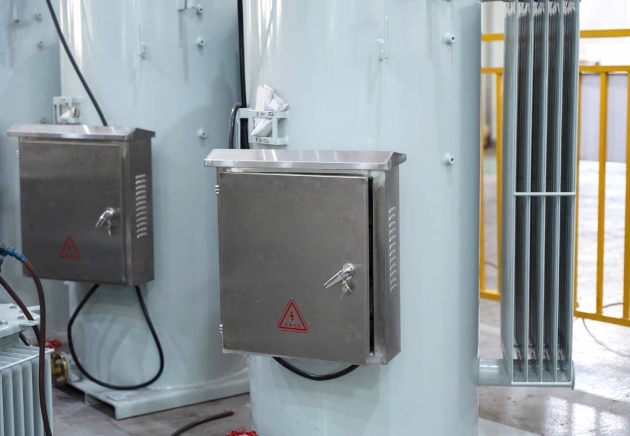
| Controller | Schweitzer Engineering Laboratories, Inc (SEL) universal controller box model number SEL‑2431 |
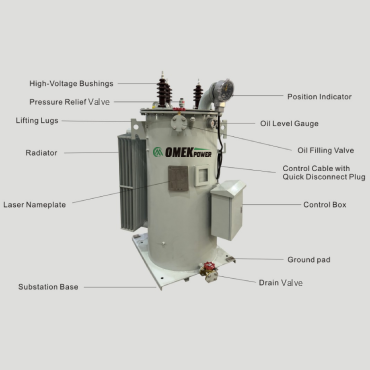
Pole Mounted Voltage Regulator Standard Configuration
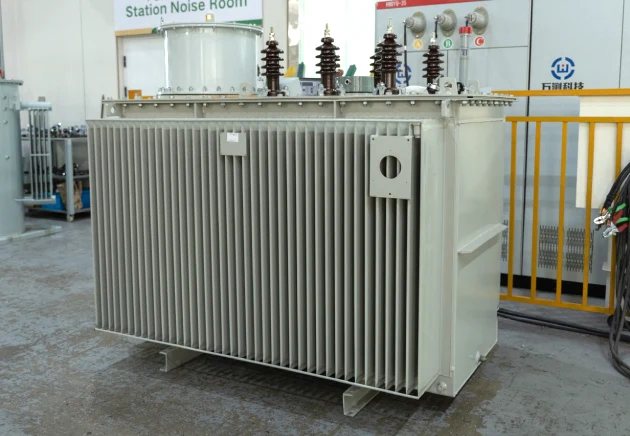
OMEK Power's Three Phase Voltage Regulator
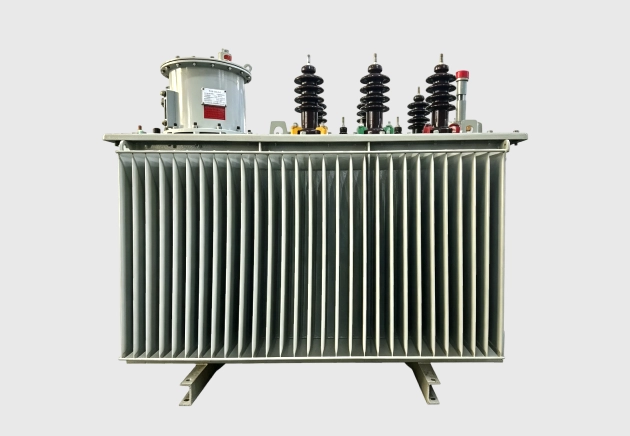
The three phase step voltage regulator adjusts the voltage for each phase by automatically switching between different voltage steps.
The device uses electromagnetic switches or motorized adjustment mechanisms to regulate the voltage, ensuring stable operation of the load equipment.
Function Features
✅ Maintenance‑free up to 100,000 tap‑change operations with no time component.
✅ Exchange of the diverter switch insert after 1.2 million tap‑change operations
✅ Intended for selected alternative insulating fluids
✅ Intended for operation in earthquake‑prone areas
✅ Max current up to 600A
✅ Max voltage up to 145kV
✅ Max positions up to 23
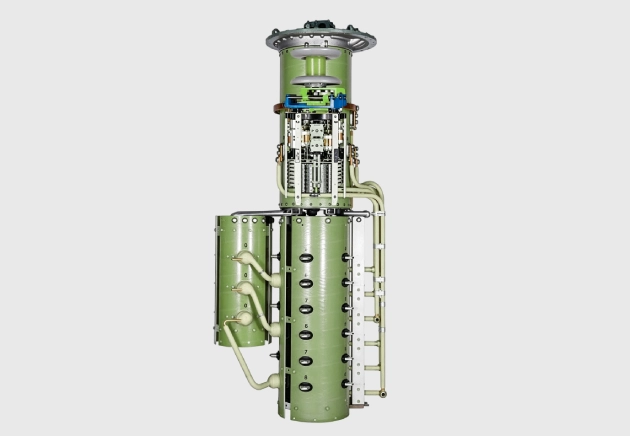
Regulator vacuum type on-load tap changer is of selector switch structure, which combines the functions of diverter and selector. The tap changer is mounted to the transformer tank cover by its head.
When the tap changer is used without a change-over selector, the maximum operating positions available is 12, and it is up to 23 positions if with a change-over selector.
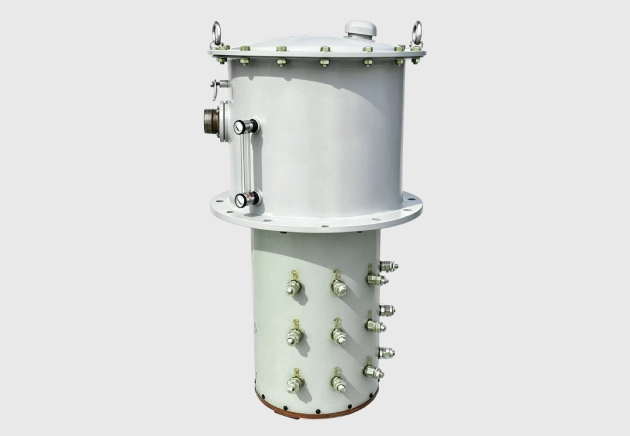
Oil immersed type changer is a typical combined‑structure tap changer applicable in oil‑immersed transformer, comprising of two major parts: diverter switch and tap selector. The OLTC is put in transformer oil tank and its diverter switch has a separate oil compartment from transformer tank, while tap selector, together with transformer windings, is completely laid inside the tank. OLTC’s installation is divided into two types standard tank flange and bell‑type flange.
1.Electrical life arrives 50000 times
2.Mechanical life arrives 500000 times.
3.Max current up to 400A
OMEK Power's Step Voltage Regulator Benefits
Improve voltage performance without major infrastructure investment. A cost-effective alternative to traditional grid upgrades.
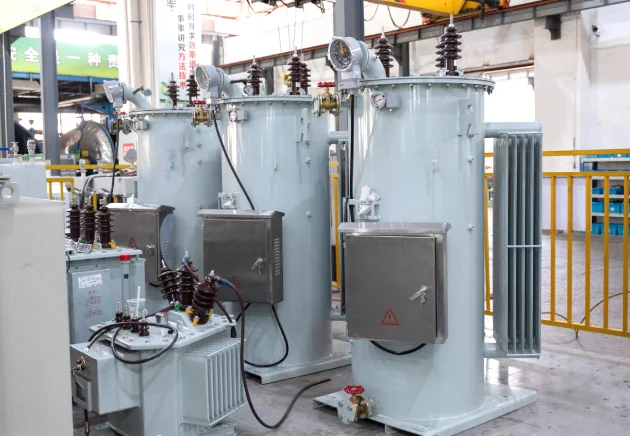
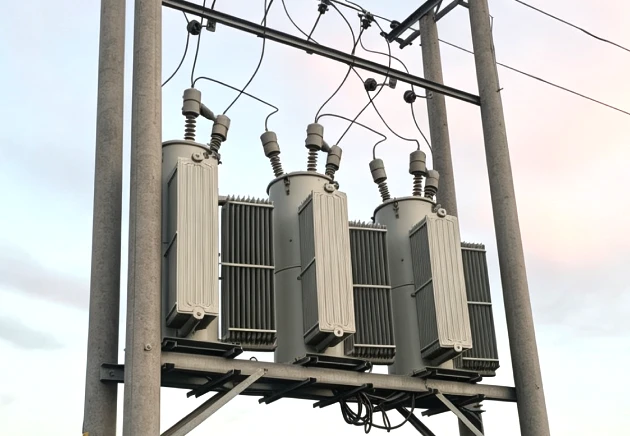
Maintain stable voltage levels within allowable limits, reduce voltage deviations, and ensure reliable power supply for end users.
Optimize existing grid assets and increase distribution capacity. Not necessary to replace or upgrade major infrastructure.
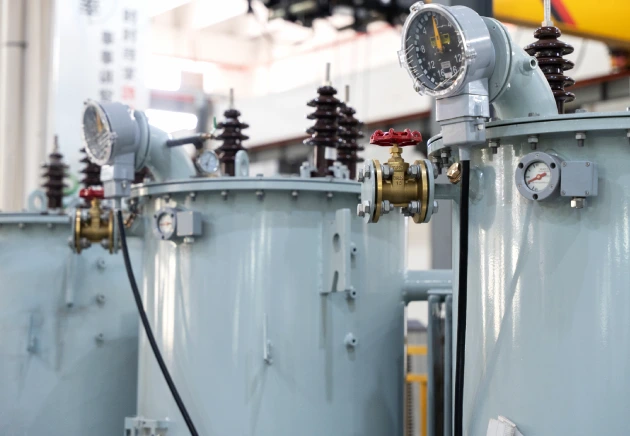
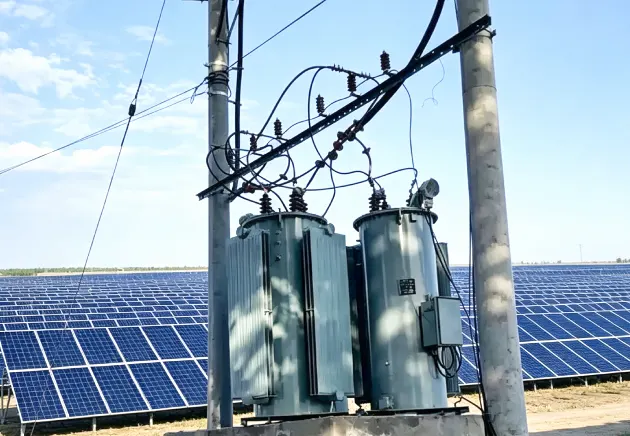
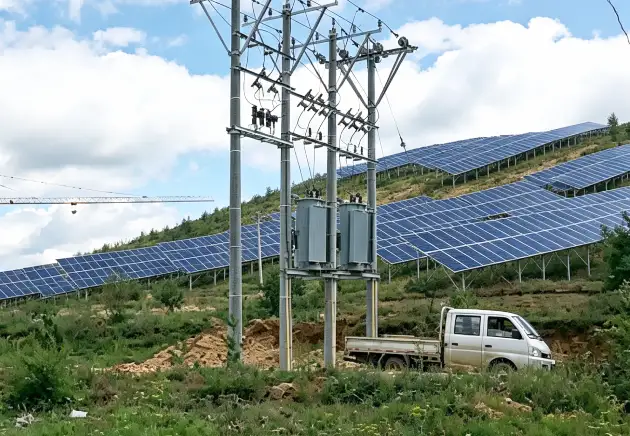
Adapt to increasing distributed energy resources, including solar PV and small-scale renewable generation, while maintaining grid stability.
Available with adjustable regulation ranges of ±10%, ±15%, and ±20%. More precise voltage regulation. Can meet different distribution requirements.
Why Choose OMEK Power's Step Voltage Regulators
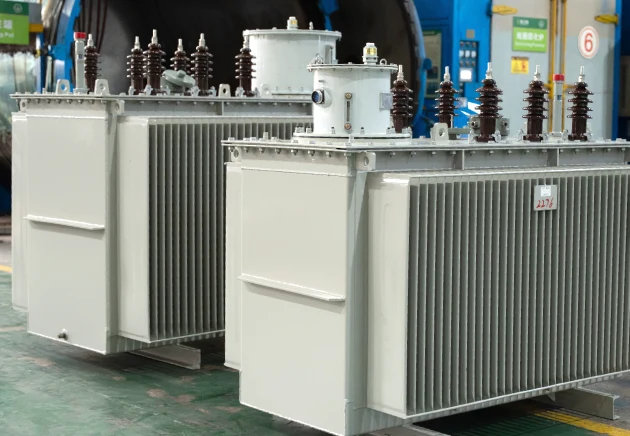
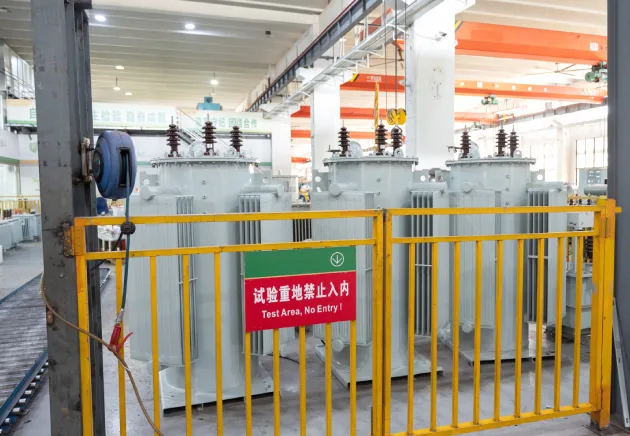
OMEK Power, a rare step voltage regulator manufacturer in China with full in-house manufacturing capability, is committed to helping utilities improve distribution network efficiency, voltage stability, and power quality with reliable regulation solutions.


How Our Step Voltage Regulator Works
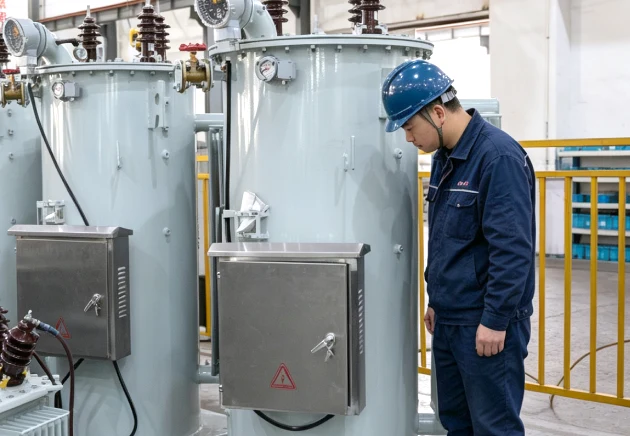
The OMEK distribution voltage regulator is mainly used in long-distance power supply lines. It is installed on the medium and high voltage distribution feeder lines in series. It is essentially an autotransformer, equipped with two key components – an on-load tap changer (OLTC) and a controller.
The controller will continuously monitor the actual voltage on the line. If the voltage is too high or too low, the motor drives the on-load tap changer to compensate for the line voltage in steps automatically, without outage. In this way, it maintains the output voltage within your required range.
Maintenance of Our Step Voltage Regulators
OMEK’s step-voltage regulators designed service life is 50 years. The main wear component is the on-load tap changer (OLTC). OMEK engineers recommend closely monitor the cumulative number of actions of the tap changer.
Our oil immersed type on load tap changer delivers 50,000 electrical operations and 500,000 mechanical operations. When the OLTC reaches 50,000 electrical operations, it is necessary to maintain or replace the tap changer core.
OMEK provides original spare parts and professional technical support for you. Contact us for maintenance services or technical assistance.
Step Voltage Regulators Application
Rural and Mountain Distribution Networks
Coastal Aquaculture Power Supply Systems
Industrial Parks & Manufacturing Facility
Small Hydropower Grid Connection Lines
Substations Requiring Additional Voltage Regulation
Islands, Resorts & Remote Locations
Related Products

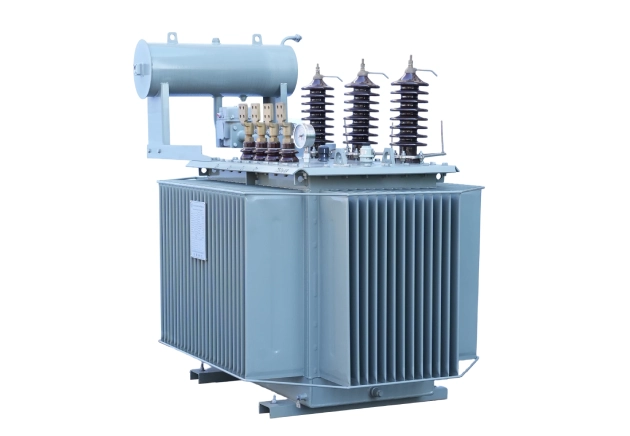
FAQs
Have any questions? We’re here to help you out.
No. Step voltage regulator is an electromagnetic voltage regulating device, and it has no power electronic components. Therefore, it does not continuously output harmonics.
If there’s increased harmonics detected on the outlet side, it is largely caused by the system load, rather than generated by the voltage regulator itself.
Step‑voltage regulator, an important equipment used to regulate voltage in distribution feeders. It changes the output voltage of the transformer continuously or step by step without interrupting the power supply to the load. Thereby, it achieves effective control of the grid voltage.
Step voltage regulator is also known as in line voltage regulator, feeder voltage regulator, svr voltage regulator or distribution voltage regulator.
It is an autotransformer voltage regulating device, which is connected in series in transmission line, relying on OLTC (on-load tap changers) to fine-tune the voltage in steps without changing the voltage level.
It can perform bidirectional power flow and stabilize the line voltage without power interruption. It commonly has 32 taps, so it is also called a 32 step voltage regulator.
OLTC is the core vulnerable component in step voltage regulators, while step voltage regulators is a complete voltage regulation device that integrates OLTC, coil and control.
An on load tap changing transformer (usually a 3 phase transformer) is used to change the output voltage level, and usually used in the main transformer of a substation. However, the step voltage regulator does not change the voltage level. It only perform minor voltage compensation, and stabilize the voltage in transmission line.
Voltage regulation in transmission line refers to the complete operations of controlling voltage fluctuations on a line within a qualified range. The SVR voltage regulator is an effective and economic solution to achieve voltage regulation in distribution transmission lines.
To calculate the voltage regulation factor, you need to use the below formula:
- Voltage regulation = (No-load voltage − Terminal voltage at full load) ÷ No-load voltage × 100%
For example, suppose the voltage at the end of the line is 10 kV under no-load conditions, and it drops to 9.4kV at full load, then the voltage regulation is calculated as:
- Voltage Regulation = (10 − 9.4) ÷ 10 × 100% = 6%.
When this percentage exceeds the standard, a step type voltage regulator needs to be installed to bring the voltage back to the qualified range.
Voltage regulation is required for distribution network feeders for the following reasons:
✅ Load fluctuations
✅ Integration of distributed renewable energy sources
✅ The inherent impedance of the distribution lines
✅ Impact loads and seasonal loads
If the voltage is too high or too low, and voltage regulation is not applied, it may cause equipment damage, inverter tripping, or malfunction of electrical devices. Therefore, feeder voltage regulation is essential to maintain stable power quality.