
3 Effective Grounding Methods for Transformer Neutral Point
The grounding method of the transformer neutral point is a specific manifestation of the grounding method in power systems. Currently, there are three types of grounding methods in power systems: ungrounded neutral, directly grounded neutral, and neutral grounded through an arc suppression coil.
Ungrounded Neutral System
The main advantage of an ungrounded neutral system is its high power supply reliability. When a single phase ground fault occurs, if the three-phase voltages and currents remain balanced, the line does not need to be disconnected. Thereby reducing the number of outages and improving supply reliability.
The primary disadvantage is that, both the maximum long-term operating voltage and overvoltage levels are relatively high, especially with the risk of arc grounding overvoltage, requiring higher insulation standards for the entire system, and resulting in greater equipment investment. Additionally, achieving sensitive and selective ground fault protection is difficult.
Directly Grounded Neutral System
The main advantage of a directly grounded neutral system is lower overvoltage and insulation requirements.
From the perspective of relay protection, simple zero-sequence overcurrent protection is sufficient for large-current grounding systems. It is easy to achieve both selectivity and sensitivity.
Economically, direct grounding represents the most cost-effective grounding method. However, the drawback is that, all faults, especially the most likely single-phase ground faults, will cause circuit breakers to trip, increasing the frequency of power outages.
Moreover, the short-circuit current during grounding faults can become excessively largepo. Potentially damaging equipment and interfering with the normal operation of communication systems.
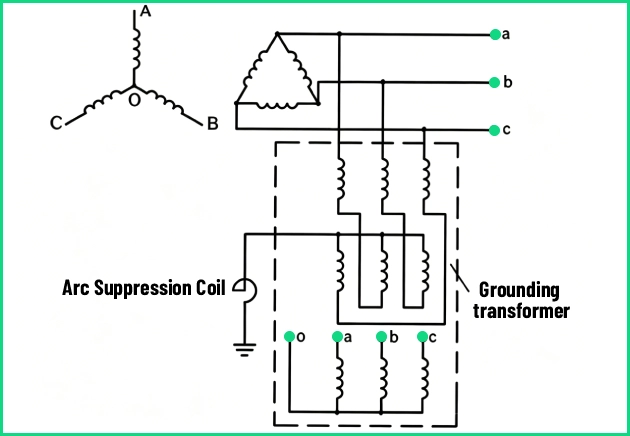
Neutral point grounded through an arc suppression coil system
The main characteristics of grounding the neutral point through an arc suppression coil:
1. In the case of a single-phase grounding fault, due to the compensation effect of the arc suppression coil, the grounding current at the fault point is reduced. Enable automatic arc extinction and ensure continuous power supply;
2. It reduces the possibility of arc re-ignition at the fault point, and lowers the value of the arc grounding overvoltage;
3. It reduces the value and duration of the grounding current at the fault point, thereby alleviating the damage to the equipment;
4. It reduces the possibility of multiple-phase short circuits caused by a single-phase grounding fault;
5. The disadvantage is that, the system operation is more complex, selective grounding protection is more difficult to implement, and the cost is higher, etc.

Posted by Victoria leave words
Thanks for reading! Hope you enjoy this article. If you have any questions about this blog, please leave a comment below, or contact OMEK's online customer service. Looking forward to having in-depth communication with you!
Leave a Reply